Breathtaking Typography for Modern Design
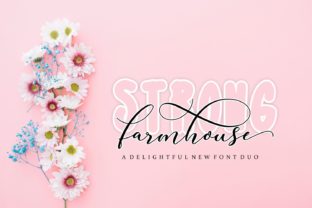
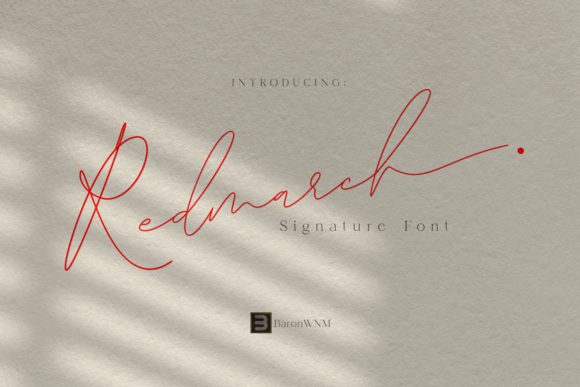
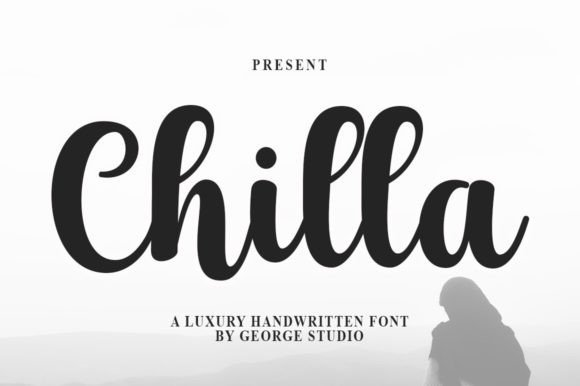
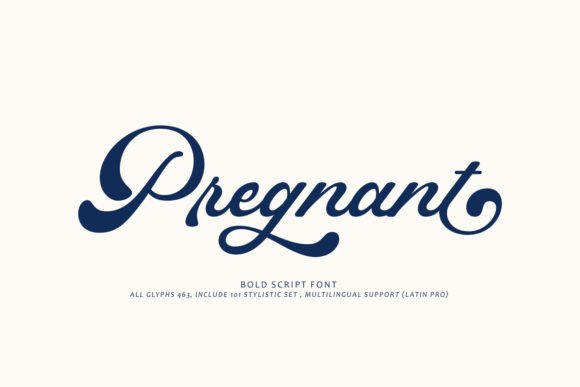
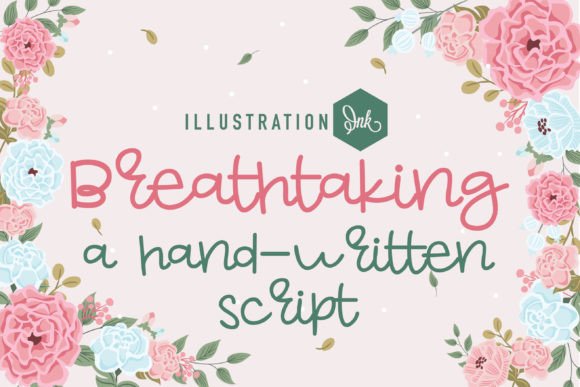
In a world saturated with visual noise, a breathtaking design choice can instantly capture attention and communicate personality. One such powerful asset is a hand-crafted script font, a typeface that brings a whimsical, youthful energy and a distinct print-like uppercase to any project. This style of typography, designed to emulate authentic handwriting, moves beyond sterile digital fonts to inject warmth and human connection directly into your visual design.
Understanding the Power of Hand-Crafted Typography
A hand-crafted font is more than just letters; it's a design tool that conveys authenticity. In graphic design, typography is a fundamental pillar of visual communication. It sets the tone, guides the viewer's eye, and establishes an emotional connection. A script font with a playful, handwritten quality is particularly effective for brands and projects aiming to appear approachable, creative, and genuine. It counters the cold precision of geometric sans-serifs, offering a breath of fresh air in a digital-first landscape.
Practical Applications Across Creative Projects
The versatility of a well-designed hand-crafted font makes it a valuable addition to any designer's toolkit. Its applications span numerous areas where human touch and personality are paramount:
- Branding and Logo Design: Ideal for boutique businesses, artisanal products, children's brands, or lifestyle blogs where a personal, handwritten logo can strengthen brand identity and foster trust.
- Marketing Materials: Elevate invitations, greeting cards, thank-you notes, and promotional flyers. The whimsical feel is perfect for events, sales announcements, and direct mail campaigns.
- Social Media Graphics: Create scroll-stopping Instagram stories, quote graphics, and holiday posts. Its unique character helps content stand out in crowded feeds, enhancing engagement.
- Packaging Design: Add a handcrafted, premium feel to product labels, especially for goods like cosmetics, gourmet foods, or stationery, suggesting care and quality.
- Editorial and Web Design: Use it strategically for headlines, pull quotes, or call-to-action text to create visual hierarchy and draw readers into key content, balancing it with a clean, readable body font.
Tips for Selecting and Using Script Fonts Effectively
Integrating a font like this requires thoughtful consideration to ensure it enhances rather than hinders your design goals. Here are key factors for professional implementation:
- Prioritize Readability: While decorative, the font must remain legible at various sizes. Test it in context—on a small mobile screen and in print. Avoid using it for long paragraphs of body text.
- Maintain Visual Hierarchy: Pair it with a complementary, simpler font for body copy. A classic serif or a modern sans-serif can provide the necessary contrast and balance, ensuring your message is clear.
- Consider Audience and Context: A whimsical script is perfect for a wedding invitation but may not suit a corporate financial report. Always align typographic choices with the project's tone and audience expectations.
- Check Licensing and Scalability: Ensure the font's license covers your intended use (web, print, merchandise). Also, verify that it scales well and doesn't lose detail when used in logos or large headlines.
- Test with Your Color Palette: A font's personality interacts with color. Test it against your brand's palette to ensure harmony and that the overall aesthetic feels cohesive and intentional.
Ultimately, the most successful design projects are built on intentional, quality creative assets. A thoughtfully chosen hand-crafted font does more than decorate; it becomes a voice for your brand, enhancing communication and user experience. By selecting typography that aligns with your visual design goals and applying it with skill, you transform ordinary layouts into polished, professional presentations that resonate deeply with your audience. In the pursuit of impactful design, the right typeface is an indispensable ally.