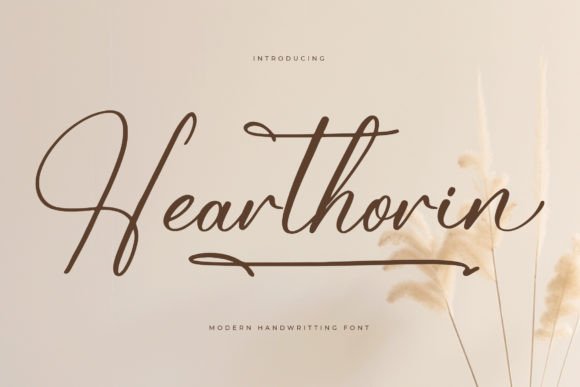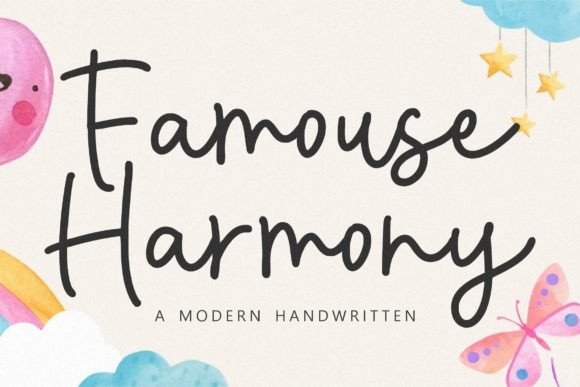
Famous History: The Modern Monoline Handwritten Font
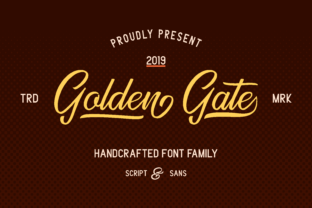
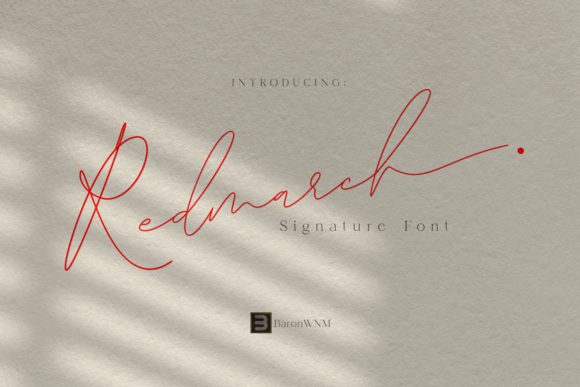
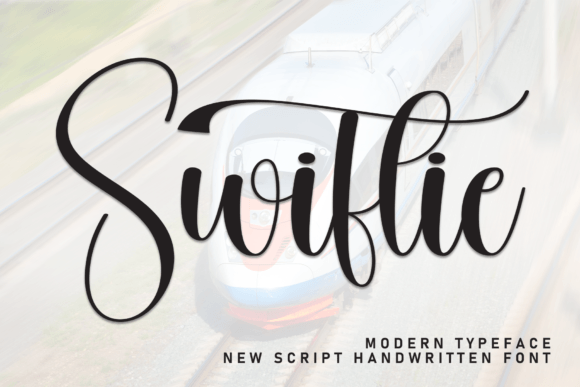
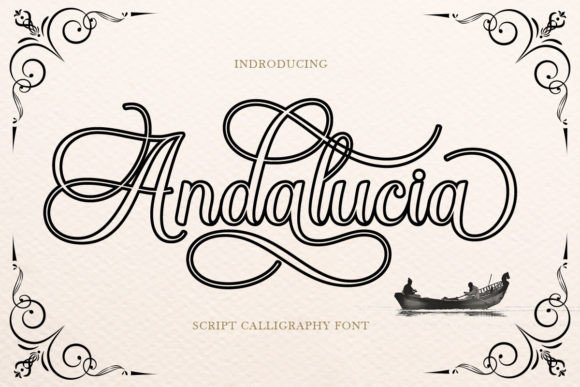
In the dynamic world of graphic design, the right typeface can transform a simple message into a compelling story. Famous History emerges as a standout solution, a modern monoline handwritten font that masterfully blends timeless charm with contemporary clarity. Each meticulously crafted stroke evokes a sense of grace and authenticity, making it an invaluable asset for designers seeking to inject personality and warmth into their visual projects.
Understanding Its Role in Visual Communication
Typography is a cornerstone of effective visual design. Famous History, with its fluid and delicate script, excels at creating an immediate emotional connection. Unlike overly ornate calligraphy, its monoline structure ensures consistent weight and exceptional readability across various applications. This balance between sophistication and simplicity is crucial for modern branding, where authenticity and clarity must coexist. It serves as more than just a font; it's a creative tool that enhances visual hierarchy, guides the viewer's eye, and reinforces a brand's narrative tone.
Practical Applications for Creative Professionals
The versatility of this monoline handwritten font makes it suitable for a wide spectrum of creative projects. Its inherent charm elevates designs without overwhelming other elements. Consider its impact across these common design scenarios:
- Brand Identity & Logo Design: Perfect for creating logos, taglines, and brand marks that feel personal, approachable, and memorable. It adds a human touch to corporate identities.
- Marketing & Advertising: Ideal for headlines, quotes, and call-to-action text in brochures, flyers, and digital ads, helping campaigns stand out with authentic flair.
- Social Media Graphics: Enhances engagement on platforms like Instagram and Pinterest for quote graphics, story templates, and promotional posts, fostering a cohesive and stylish feed.
- Website & UI Design: When used sparingly for hero text, section headers, or accent elements, it can soften a digital interface and improve user experience (UX) with its welcoming aesthetic.
- Packaging & Editorial Design: Adds artisanal appeal to product labels, book covers, magazine layouts, and wedding stationery, communicating quality and care.
Tips for Effective Implementation
To maximize the impact of Famous History or any display font, strategic application is key. Always consider the overall design workflow and final output. First, prioritize readability; ensure sufficient contrast between the text and background, especially for body copy. Second, use it as an accent font paired with a clean, neutral sans-serif or serif for body text to maintain visual balance and professionalism. Third, test scalability—verify the font remains legible from large print formats to small mobile screens. Finally, align its use with your audience's expectations and the project's goals; a handwritten style may be perfect for a boutique bakery but less so for a corporate law firm's primary documents.
Thoughtful curation of creative assets like quality typography is fundamental to successful design. By choosing resources that offer both aesthetic appeal and functional reliability, designers and creators can significantly elevate their work, ensuring every project communicates with clarity, personality, and a polished, professional finish.